
Favorite Tools and Machinery for Demolition Service Experts
Equip your team with trusted, high-performance products proven to enhance safety and efficiency on every demolition site.
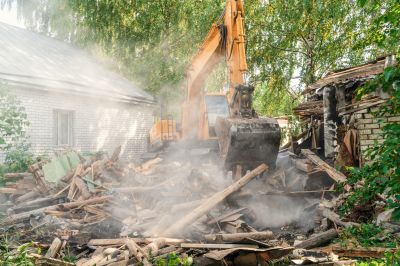 Demolition services in New York, NY, require a diverse range of specialized products to ensure safety, efficiency, and precision. From heavy-duty machinery to hand tools, each item plays a vital role in different phases of demolition projects. Selecting the right equipment depends on the scope of the job, structural materials involved, and safety considerations. Proper tools facilitate smoother operations, reduce labor time, and help maintain compliance with safety regulations. Whether handling small interior demolitions or large-scale structural dismantling, having access to a comprehensive set of demolition products is essential for achieving successful outcomes.
Top Overall Option
Heavy-Duty Demolition Machinery
A versatile and robust piece of equipment designed to handle a wide range of demolition tasks, including breaking, lifting, and removing large structures. Its durability and power make it suitable for various project sizes, providing efficiency and safety when operated by trained personnel.
Types of Products For Demolition Service
Hydraulic Excavators
Essential for lifting and removing large debris, these machines are equipped with various attachments for different demolition tasks.
Jackhammers and Rotary Hammers
Power tools used for breaking concrete, masonry, and asphalt with precision and efficiency.
Sledgehammers and Pry Bars
Hand tools ideal for manual demolition and controlled removal of materials.
Bulldozers
Heavy machinery used for pushing large volumes of debris and clearing sites.
Cranes and Lifting Equipment
Used for lifting heavy structural components safely and efficiently during demolition.
Dust Suppression Systems
Equipment such as water sprays and vacuums designed to control airborne dust during demolition activities.
Debris Chutes and Containers
Facilitate organized debris removal, ensuring safety and compliance on-site.
Concrete Cutters and Saws
Specialized tools for precise cutting of concrete and masonry structures.
Hydraulic Breakers
Attachable tools for excavators that assist in breaking up tough materials like reinforced concrete.
Safety Gear and Protective Equipment
Including helmets, gloves, goggles, and respirators to ensure worker safety during demolition.
Vibratory Rollers
Used to compact debris or soil after demolition to prepare for reconstruction or site cleanup.
Scaffolding and Support Structures
Provide safe access and support for workers during demolition of multi-story structures.
Water Blasting Equipment
High-pressure water systems for removing coatings and cleaning surfaces post-demolition.
Portable Lighting Systems
Ensure adequate illumination for safe working conditions during nighttime or enclosed space demolitions.
Popular Choices
Handheld tools favored for their portability and ease of use in smaller demolition tasks.
Compact machines with various attachments suitable for small to medium demolition projects.
Ideal for quick, precise cuts in concrete and masonry during renovation or demolition.
Effective for surface cleaning and debris removal with minimal dust generation.
Includes pry bars, chisels, and hammers for detailed work and controlled dismantling.
Help maintain air quality by capturing dust at the source during cutting or breaking activities.
Used for safely lifting and maneuvering large structural components.
Smaller excavators suitable for tight spaces and detailed demolition work.
Durable containers for debris collection and disposal on-site.
Provide reliable illumination for night work or poorly lit environments.
Help reduce noise and vibration impact during demolition activities.
Versatile tools for cutting through various building materials with precision.
Ensure stability of remaining structures during partial demolitions.
Advanced equipment for precise demolition in hazardous or hard-to-reach areas.
In demolition projects, safety gear is just as important as the machinery used. Protective equipment such as helmets, gloves, and eye protection help safeguard workers from debris and accidents. Power tools like jackhammers and rotary hammers are commonly employed for breaking through concrete and masonry, while hand tools such as sledgehammers and pry bars are useful for more controlled, manual demolition tasks. Heavy machinery including excavators, bulldozers, and cranes are vital for lifting and removing large debris efficiently. Proper selection and maintenance of these tools can significantly impact project timelines and safety standards.
Additionally, disposal and debris management products are crucial components of any demolition operation. Containers, dumpsters, and debris chutes facilitate organized waste removal, helping to keep the worksite safe and compliant with local regulations. Dust suppression equipment, such as water sprays and vacuums, minimizes airborne particles, ensuring cleaner air quality during demolition activities. Overall, investing in quality, versatile, and durable products tailored to specific demolition needs can streamline operations and contribute to safer, more effective project completion.
Key Buying Considerations
- Project scope and size to determine the appropriate machinery and tools.
- Material types involved, such as concrete, steel, or wood, influencing tool selection.
- Site accessibility and space constraints for equipment maneuverability.
- Safety features and certifications to ensure compliance and worker protection.
- Power source options, including electric, hydraulic, or pneumatic, based on site conditions.
- Durability and build quality for frequent or heavy use scenarios.
- Ease of operation and maintenance requirements for long-term reliability.
- Compatibility of attachments and accessories with existing equipment.
- Noise and dust management features to minimize environmental impact and comply with regulations.
- Budget constraints balanced with quality and performance needs.
- Availability of replacement parts and technical support.
- Flexibility of equipment for multiple tasks or future projects.
- Operator training requirements for safe and effective use.
- Transportability and storage considerations for large machinery.
- Compliance with local safety standards and regulations in New York, NY.